
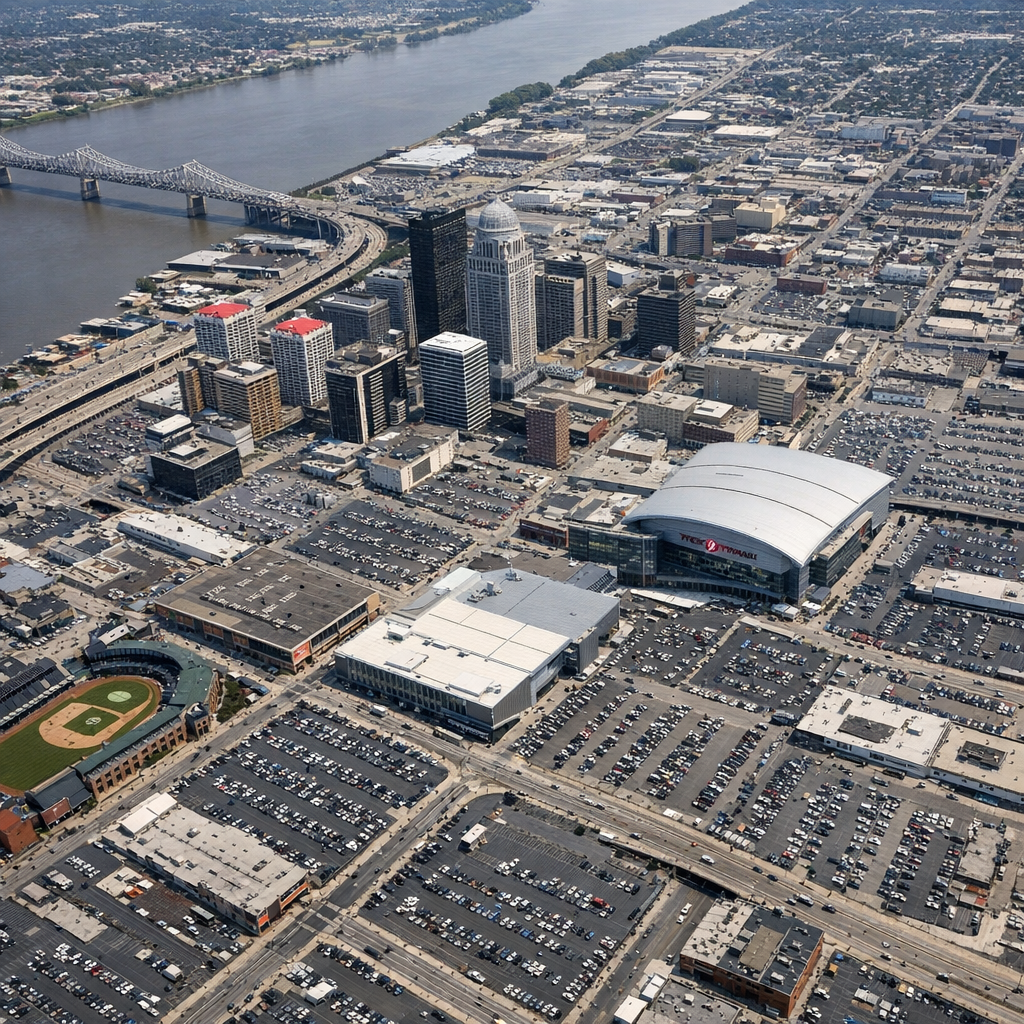
Louisville, Kentucky, is experiencing a significant Urban Heat Island (UHI) effect, where urban areas become substantially warmer than their rural surroundings. This phenomenon is primarily due to human activities and urban development.
Causes of the Urban Heat Island Effect
The UHI effect in Louisville is driven by several factors:
- Dark Surfaces: The prevalence of dark-colored materials like asphalt and rooftops absorbs more heat, increasing local temperatures.
- Reduced Vegetation: Urban development often leads to a decrease in tree canopy and green spaces, which naturally cool the environment through shade and evapotranspiration.
- Urban Infrastructure: Buildings and roads retain heat, especially during the night, contributing to higher temperatures.
Impacts on the Community
The UHI effect has several adverse effects on Louisville residents:
- Health Risks: Elevated temperatures can exacerbate respiratory and cardiovascular conditions, particularly among vulnerable populations.
- Increased Energy Consumption: Higher temperatures lead to greater use of air conditioning, resulting in increased energy costs and higher greenhouse gas emissions.
- Environmental Degradation: The UHI effect contributes to poorer air quality and can strain local water resources.
Mitigation Strategies
To combat the UHI effect, Louisville has implemented several strategies:
- Cool Roofs: Encouraging the installation of reflective roofing materials to reduce heat absorption.
- Green Roofs: Promoting rooftop gardens that provide insulation and reduce heat.
- Tree Planting Initiatives: Aiming to increase the city’s tree canopy to 45% to provide shade and cooling.
- Cool Pavements: Exploring the use of lighter-colored paving materials to reflect more sunlight.
Residents can contribute by planting trees, using light-colored materials for roofs and driveways, and supporting local greening initiatives.
Understanding and addressing the Urban Heat Island effect is crucial for improving the quality of life in Louisville and ensuring a sustainable future for the city.