

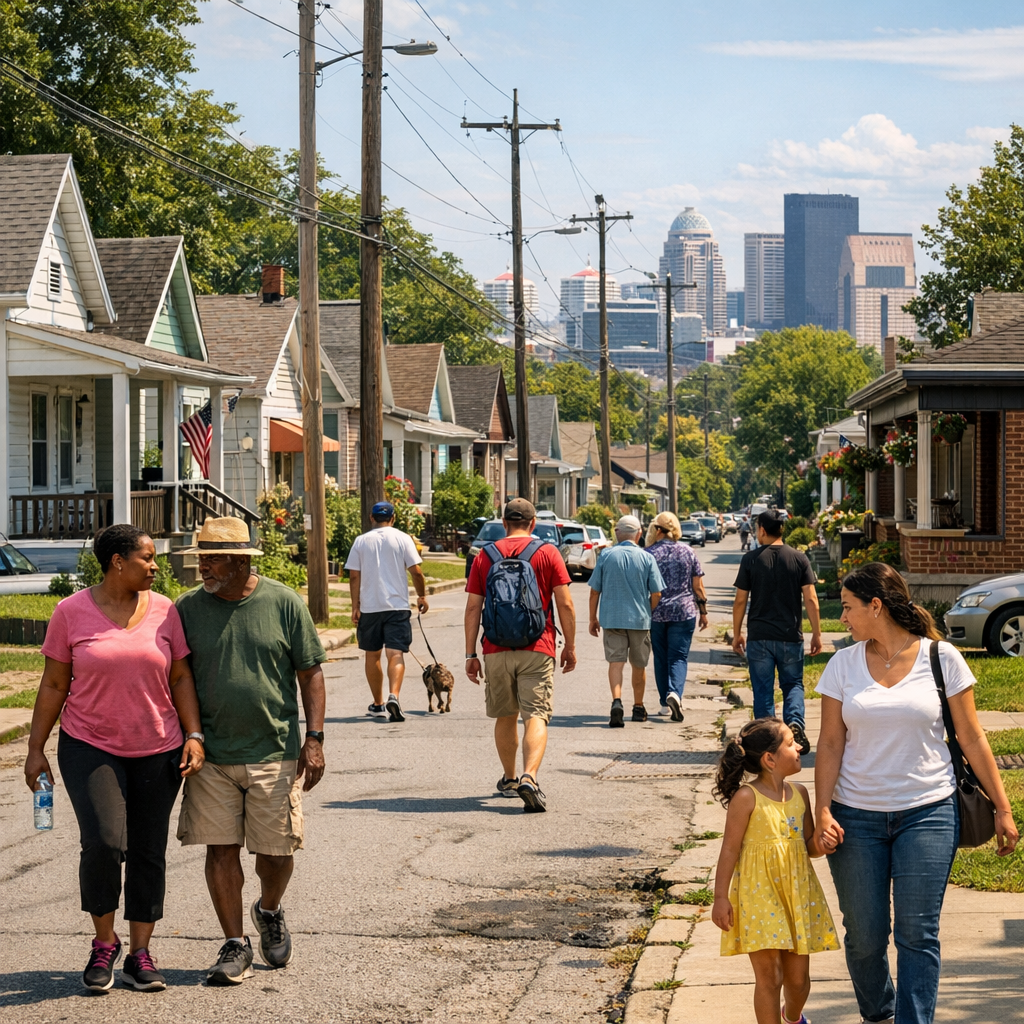
My name is Alexander Wilson, and I’ve lived in Louisville for over two decades. I’ve seen neighborhoods change, storefronts shift, and families struggle to find a place that feels like home — not just a roof over their heads, but stability, dignity, belonging.
Progress on Paper, Hardships in Life
It’s true: recent city reports show that Louisville added nearly 18,400 housing units that became moderately affordable to households earning 30% or less of area median income. That’s progress. But there’s still a gap of more than 36,000 units needed to meet the demand at that income level. Many of those units already in the pipeline face threats — some may lose their affordability protections in just a few years. And older homes, especially in core neighborhoods, often come with high utility bills, deferred maintenance, and weather issues that make them more costly in the long run.
When Neighborhoods Face Invisible Pressures
In places like Smoketown and neighborhoods in Louisville’s Northwest Core, the story isn’t just about buildings. It’s about culture, memories, and community centers. When low-income homeowners lose their homes because of rising taxes or code-enforcement pressures, it’s not just about affordability — it’s about social cohesion slipping away. I’ve watched entrepreneurs, elders, artists, and storekeepers move away because they couldn’t keep up with rising costs or changing regulations.
Zoning as a Barrier
Much of Louisville remains zoned for single-family housing only. That means duplexes, triplexes, and other forms of “middle housing” are often not allowed — not by design, but by local code and neighborhood opposition. Even when city planners suggest updating the Land Development Code, resistance — both organized and casual — slows down change. Add high costs of construction, limited subsidies, and bureaucratic obstacles, and the dream of an affordable, mixed-income neighborhood feels out of reach for many.
Stories from Across the Divide
I spoke with young educators who commute hours because they can’t find small homes near where they teach. I heard from seniors living in drafty, expensive-to-heat row houses who want to stay in their neighborhoods but are stretched thin. I met families who’ve been priced out not by luxury condos, but by investors buying up modest properties and renting them at what market will bear — sometimes far beyond what they can afford.
What Louisville Needs to Do Now
- Preserve existing affordable housing units — preventing the loss of rent-restricted homes is just as important as building new ones.
- Encourage zoning reforms that allow middle housing near existing amenities to help more people live where services, transit, and shops are already in place.
- Support energy efficiency upgrades for older homes to reduce utility costs, especially in neighborhoods where many homes were built before modern insulation standards.
- Ensure tenant protections, transparency in property taxes, and support for long-term homeowners to reduce displacement pressures.
- Include impacted residents in planning: their stories, fears, and hopes must shape policy — not get lost in municipal reports.
Louisville’s soul isn’t just its skyline or its bourbon — it’s in the people who build communities, tell stories, teach kids, open doors to neighbors, and hold onto history. The question is: who gets to be part of that future? Let’s not make it just those who can afford it.